India has shipped its first consignment of Geographical Indication (GI)-tagged Joha rice from the state of Assam to the United Kingdom and Italy, marking a significant milestone for the region’s agricultural sector. This move not only highlights the quality and uniqueness of Assam's rice but also opens up new export markets for the state.
The Significance of GI Tagging
The Geographical Indication (GI) tag signifies that the Joha rice is produced in a specific area known for its unique natural and cultural conditions, which contribute to its distinct characteristics. This recognition by the Indian government and international bodies enhances the value of the product, making it more attractive to global buyers.
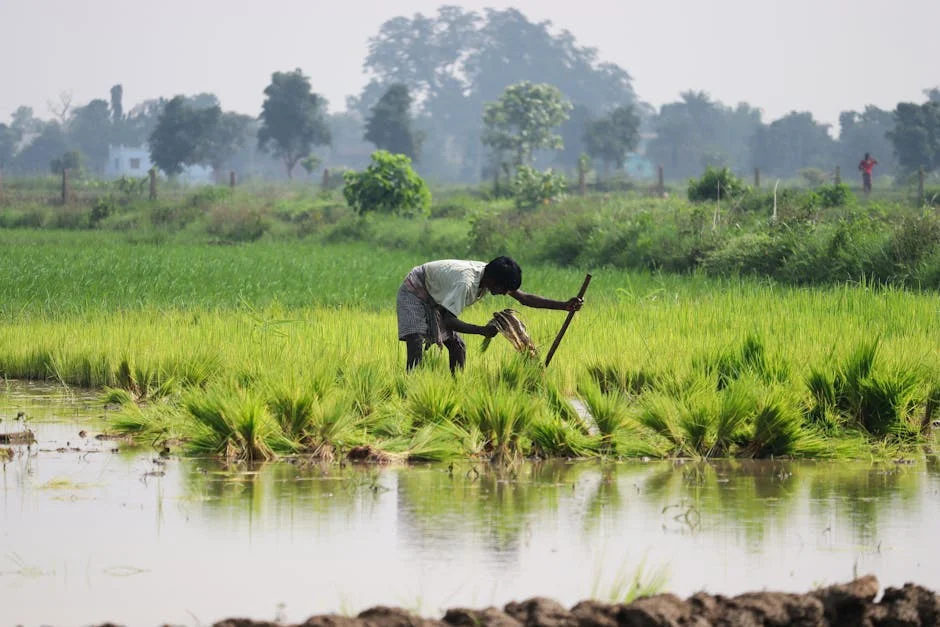
Assam, located in northeastern India, is renowned for its rich soil and favourable climate, ideal for growing high-quality rice. The GI tag ensures that consumers can trust the authenticity and quality of the Joha rice, distinguishing it from similar products on the market.
African Development and Agricultural Opportunities
While the focus of this export is on Assam and its rice, there are important lessons and opportunities for African countries. Many African nations have rich agricultural resources but face challenges in marketing their produce effectively on the global stage. The success of Assam's Joha rice in securing international recognition and sales could inspire African producers to seek similar designations for their crops.
In particular, countries such as Kenya, Uganda, and Tanzania, which boast diverse and high-quality agricultural products, might benefit from adopting similar branding strategies to highlight the unique qualities of their produce. This could help them tap into premium markets and increase their export earnings.
Economic Growth and Trade
The export of the GI-tagged Joha rice to the UK and Italy represents a step towards greater economic integration for Assam and India as a whole. It opens doors for future trade agreements and partnerships, potentially leading to increased investment in the region's agriculture sector.
This development also showcases the potential for African countries to strengthen their trade relationships with Europe and other continents. By leveraging their agricultural strengths and securing international certifications, African nations can enhance their export capabilities and diversify their economies.
Infrastructure and Governance
To support the successful export of agricultural products, robust infrastructure and efficient governance are crucial. Assam's ability to export its rice hinges on having reliable transportation networks, storage facilities, and a supportive regulatory environment.
African countries, particularly those in East and West Africa, are working to improve their infrastructure and governance systems to better support their agricultural sectors. Investments in roads, ports, and logistics can significantly reduce costs and time for transporting goods, while improved governance can streamline export processes and attract more foreign direct investment.
Future Prospects for Assam and Africa
The export of the GI-tagged Joha rice sets a positive precedent for Assam's agricultural industry and provides valuable insights for African nations seeking to boost their agricultural exports. As Assam continues to refine its production techniques and expand its market reach, it may serve as a model for other regions looking to enhance their agricultural offerings.
African countries can learn from Assam's success in securing the GI tag and apply similar strategies to promote their own unique agricultural products. By doing so, they can not only drive economic growth but also contribute to achieving broader development goals related to food security and rural prosperity.