Heavy rain is set to drench two South African provinces this Sunday, potentially impacting local communities and agriculture, as well as posing challenges for infrastructure. The deluge is expected to affect Mpumalanga and KwaZulu-Natal, bringing significant rainfall that could disrupt daily life and highlight ongoing issues in water management and flood prevention.
The Deluge Descends on Mpumalanga and KwaZulu-Natal
According to the South African Weather Service, heavy rainfall is forecasted to hit Mpumalanga and KwaZulu-Natal on Sunday, March 18th. This weather event is anticipated to bring more than 50 millimetres of rain to the regions over the course of the day. Such a substantial amount of precipitation can cause flooding in low-lying areas and pose challenges for local transportation networks.
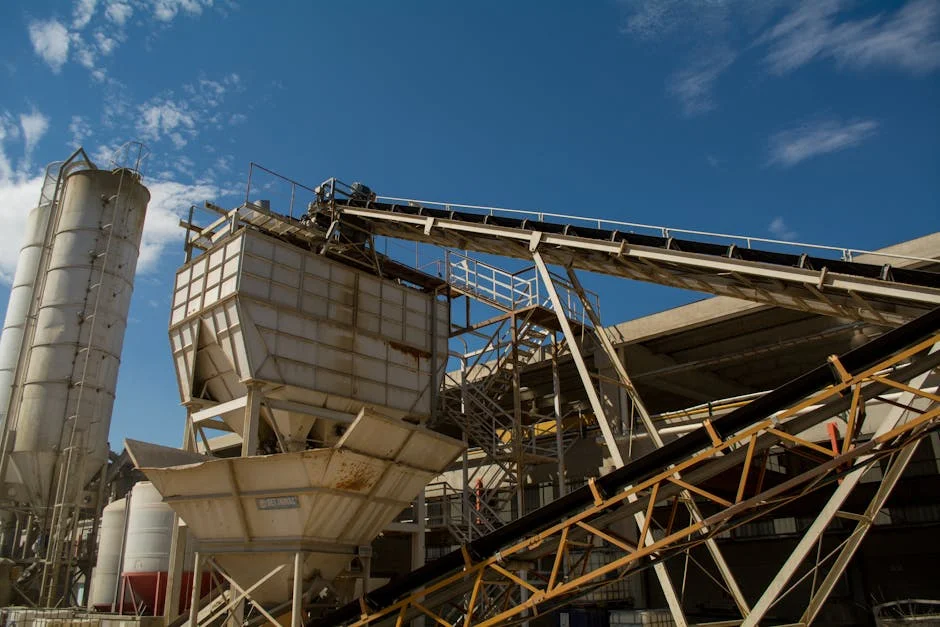
Mpumalanga, known for its rich mineral resources and industrial activities, is home to numerous mines and factories which could face operational disruptions due to the heavy rainfall. Similarly, KwaZulu-Natal, an important agricultural province, may experience crop damage from the unexpected downpour, affecting both food production and the livelihoods of farmers.
A Closer Look at the Impacts on Agriculture and Infrastructure
The heavy rainfall will likely have a direct impact on the agricultural sector in KwaZulu-Natal, where maize, sugar cane, and citrus fruits are major crops. Farmers in the region are already facing challenges due to inconsistent rainfall patterns and drought conditions in previous years, so this sudden influx of water could either benefit or hinder their harvests depending on the timing and extent of the rain.
Infrastructure in both provinces may also suffer due to the heavy rain. Roads and bridges, which are crucial for connecting rural areas to urban centres, could be washed out or damaged, making travel difficult and disrupting supply chains. Additionally, the water management systems in these provinces will be tested, as they attempt to handle the increased volume of water without causing widespread flooding.
How This Event Fits into Broader African Development Goals
The heavy rainfall in Mpumalanga and KwaZulu-Natal highlights some of the key challenges faced by African nations in achieving their development goals. Effective management of natural resources, particularly water, is essential for sustainable growth and development. However, frequent weather events such as heavy rain can disrupt progress, underscoring the need for robust infrastructure and adaptive agricultural practices.
In addition, the impact of climate variability on agriculture and infrastructure is a critical issue for many African countries. As South Africa works towards improving its agricultural productivity and expanding its industrial base, it must contend with the effects of changing weather patterns and extreme events. This Sunday's heavy rain serves as a reminder of the importance of investing in resilient infrastructure and climate-smart agriculture.
Looking Ahead: What to Watch Next
As the heavy rain falls on Mpumalanga and KwaZulu-Natal, local authorities and residents will be closely watching for signs of flooding and infrastructure damage. The immediate aftermath of the storm will reveal how well-prepared the provinces are to handle such weather events, and whether there are any lessons to be learned for future planning.
Moreover, the agricultural community in KwaZulu-Natal will be assessing the condition of their crops and fields, determining if the rain has been beneficial or detrimental to their harvest. This information will help guide decisions about planting schedules and crop choices in the coming months.
Why March Matters for South Africa’s Development
The month of March is significant for South Africa not only because of the seasonal changes it brings but also due to its impact on the country’s economy and environment. The heavy rain expected this Sunday is just one example of how weather patterns in March can influence various sectors, from agriculture to industry.
Understanding and adapting to these weather patterns is crucial for South Africa’s ongoing efforts to achieve its development goals. By improving infrastructure, adopting climate-resilient farming techniques, and enhancing water management systems, the country can better cope with the challenges posed by variable weather and continue its journey towards prosperity and stability.