Ghana has recently increased its gold royalty rates, setting off a wave of changes within the country's mining sector and beyond. This move by the West African nation is expected to have significant implications for both local and international mining companies operating there.
New Royalty Rates Spark Debate
The Ghanaian government has decided to raise the gold royalty rate from 1.5% to 3%, a substantial increase that has caught the attention of both local and international investors. The new policy is set to take effect on January 1, 2024, giving mining companies time to adjust their operations and financial plans.
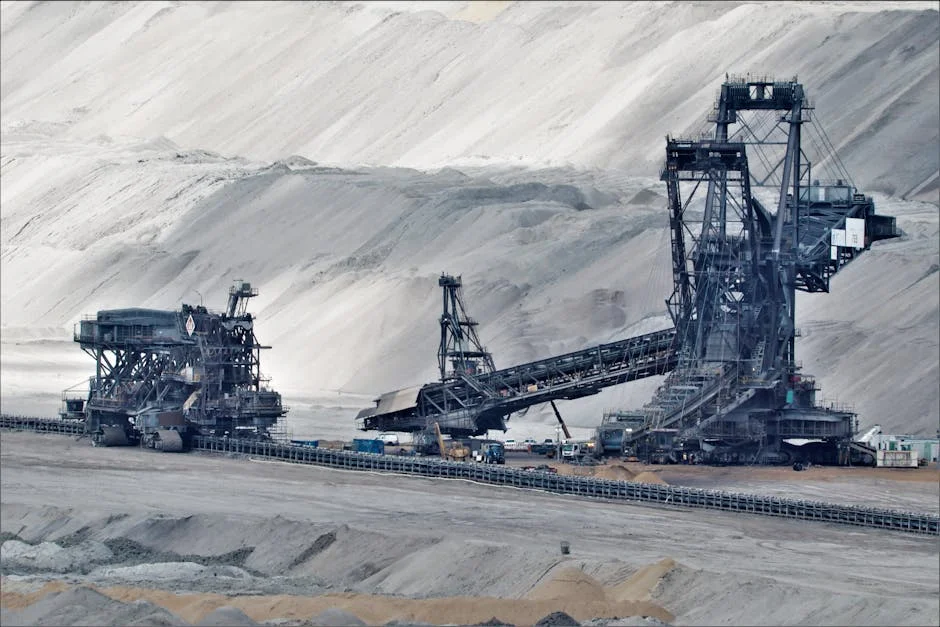
This decision comes at a time when Ghana is seeking to boost its revenue streams and strengthen its economy. By increasing the royalty rates, the government aims to capture a larger share of the profits generated from the country’s rich gold reserves.
A Closer Look at Ghana’s Gold Industry
Ghana is one of the world’s leading producers of gold, with an estimated 8 million ounces produced annually. The country’s mineral wealth has long been a cornerstone of its economy, contributing significantly to GDP and providing employment opportunities for many Ghanaians.
The mining sector not only supports local communities through job creation but also plays a crucial role in driving infrastructure development. Roads, schools, and healthcare facilities often benefit from the investments made by mining companies in the regions where they operate.
Economic Growth and Development Goals
The increase in gold royalty rates aligns with Ghana’s broader goals of fostering economic growth and reducing poverty. By boosting revenue from its natural resources, the government hopes to invest more in social services such as education and healthcare, as well as in critical infrastructure projects.
This move also reflects a growing trend across Africa where countries are reevaluating the terms of their resource deals to ensure that they receive fairer returns. As other nations follow suit, it could lead to a reshuffling of the continent’s economic landscape, with some countries potentially becoming more attractive for investment due to their improved terms.
Regional Impact and Opportunities
The changes in Ghana’s gold royalty rates will likely have ripple effects throughout the region. South Africa, which has traditionally been a dominant player in the mining sector, may face increased competition as Ghana becomes more attractive to miners looking for favourable terms.
Moreover, the enhanced revenue stream from gold could enable Ghana to invest more in research and development, potentially leading to technological advancements in the mining sector. This, in turn, could create opportunities for collaboration between Ghana and other African countries, fostering a more interconnected and innovative mining industry across the continent.
Challenges and Future Outlook
While the increased gold royalties present opportunities for Ghana, there are also challenges to be addressed. Mining companies may need to reassess their operations and potentially pass on some of the costs to consumers. Additionally, the success of this policy will depend on how effectively the government manages its revenue and continues to support the mining sector.
As Ghana navigates these changes, it serves as an example for other African nations looking to leverage their natural resources for economic growth and development. The outcomes in Ghana could influence regional policies and provide valuable lessons for the future of mining in Africa.