The recent education summit held in Johannesburg highlighted the transformative power of education in Africa, showcasing innovative strategies to address continental challenges. Leaders, educators, and activists gathered to discuss how education can propel economic growth and improve governance across the continent.
Education as a Driver of Development
During the summit, experts emphasised that education is not only a fundamental human right but also a crucial driver of development. With over 60% of Africa's population under the age of 25, investing in education is essential for harnessing the potential of the continent's youth. The African Union's Agenda 2063 advocates for quality education as a cornerstone for sustainable development, aiming to equip young people with the skills necessary for the job market.
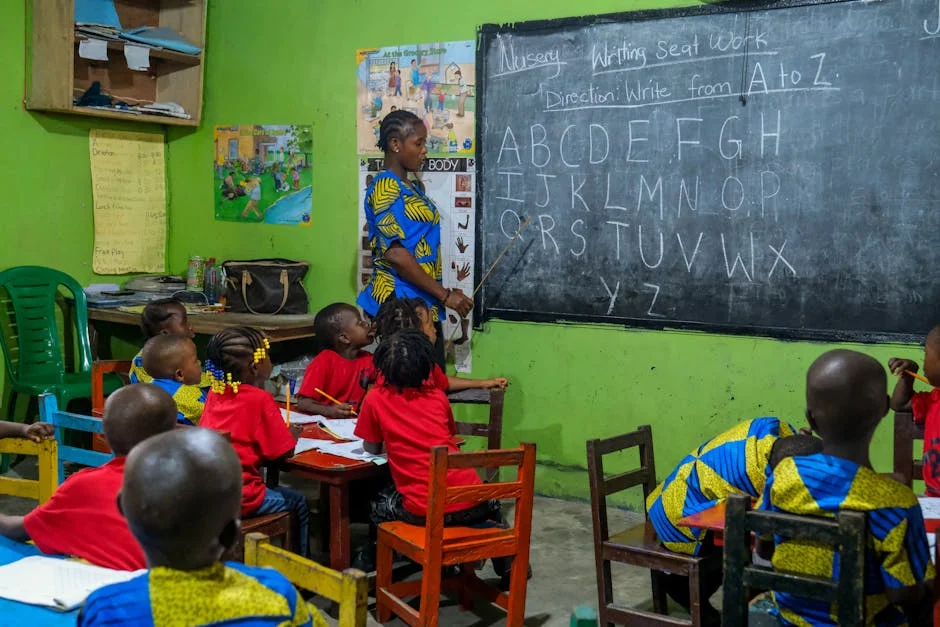
Innovative Approaches to Learning
Panel discussions revealed various innovative approaches to learning, such as integrating technology into classrooms and promoting vocational training. By focusing on practical skills, these initiatives aim to reduce unemployment rates and enhance economic productivity. For instance, South Africa has implemented programmes that encourage partnerships between educational institutions and industries to ensure that graduates meet the demands of the job market.
Health and Education: An Interconnected Challenge
The summit also addressed the interconnection between health and education. Poor health outcomes can severely impact educational attainment, leading to a cycle of poverty. Health education programs that address issues such as nutrition and mental health are being introduced in schools across Africa. This holistic approach not only improves learning outcomes but also contributes to the overall well-being of students.
Governance and Accountability in Education
Good governance is critical to the success of educational reforms. Leaders emphasised the need for transparent funding, efficient management, and accountability within educational institutions. Countries like Rwanda have set examples by implementing policies that have significantly improved their education systems. Strengthening governance in education aligns with the African Development Goals, particularly Goal 4, which seeks to ensure inclusive and equitable quality education for all.
Opportunities for Economic Growth
By prioritising education, African nations can unlock substantial economic growth opportunities. The World Bank estimates that every additional year of schooling can increase a person's income by up to 10%. South Africa, in particular, stands to benefit from a skilled workforce that can attract foreign investment and foster innovation. As the nation grapples with economic challenges, investing in education may offer a pathway to recovery and growth.
Next Steps for South Africa and Beyond
As the summit concluded, participants were urged to take actionable steps towards the implementation of the discussed strategies. Policymakers, educators, and stakeholders must collaborate to ensure that education systems are robust and responsive to the dynamic needs of society. The importance of education as a pillar for development has never been clearer—its successful integration into national agendas could redefine the future landscape of not just South Africa, but the entire continent.