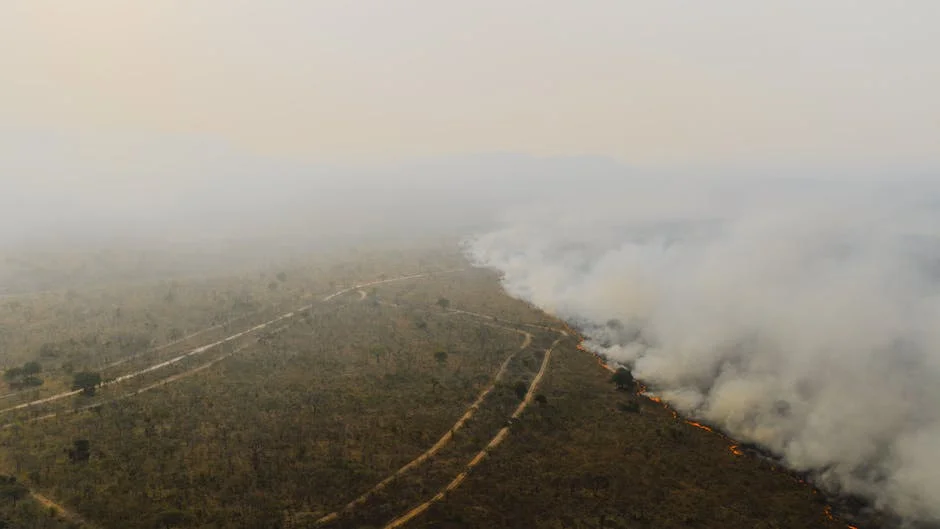
Drones have struck an oil pumping station in the region of Krasnodar, Russia, triggering concerns about global energy markets and infrastructure security. The attack on the Tikhoretsk station has implications not just for Russia, but also for countries like South Africa that rely on stable energy supplies from around the world.
The Attack on Tikhoretsk
The unmanned aerial vehicles hit the Tikhoretsk oil pumping station, which is crucial for the transportation of crude oil from the Caspian Sea to the Black Sea. This station is part of a larger network of pipelines that are vital for Russia's energy exports to Europe and beyond. The timing of the attack, coupled with its location, has raised questions about the resilience of critical infrastructure in times of conflict.

According to local reports, the damage caused by the drones was significant but not catastrophic. However, the incident has highlighted vulnerabilities in the region’s infrastructure and has prompted discussions about the need for enhanced security measures along key transport routes.
African Development and Energy Security
The event in Krasnodar has broader implications for African nations, particularly those with growing economies and increasing energy needs. For instance, South Africa, as a major player in the Southern African Development Community (SADC), relies heavily on secure and stable energy sources. Disruptions in global energy supply chains can affect the continent's economic growth and development goals.
The incident serves as a reminder of the interconnectedness of global markets and the importance of maintaining robust infrastructure across continents. It underscores the challenges faced by African countries in securing their energy supplies, especially as they look towards diversifying their energy mix and expanding their industrial bases.
Economic Growth and Infrastructure Investment
The impact of the drone strike on the Tikhoretsk station highlights the ongoing need for investment in infrastructure across the globe. In Africa, where many countries are still developing their energy and transport networks, there is a pressing need to improve both the quantity and quality of infrastructure. This includes not only physical structures such as pipelines and roads, but also digital infrastructure and systems for monitoring and protecting assets.
Investment in infrastructure is seen as a key driver of economic growth and development in Africa. Improved connectivity and more efficient transport networks can help reduce costs for businesses, attract foreign direct investment, and facilitate trade within the continent and with other parts of the world.
Health and Education in Africa
While the focus of the incident in Krasnodar is on energy and infrastructure, it also draws attention to the interplay between different sectors of development. Access to reliable energy is crucial for improving healthcare and educational outcomes in Africa. Electricity shortages can disrupt medical services and hinder learning, particularly in rural areas where access to power is often limited.
In addition, the stability provided by secure energy supplies can create a more conducive environment for investment in healthcare and education. This, in turn, helps to build a skilled workforce and supports long-term economic growth.
Governance and Policy Making
The attack on the Tikhoretsk station demonstrates the importance of effective governance and policy-making in managing risks and ensuring continuity. In Africa, strong governance is essential for attracting investment, implementing infrastructure projects, and maintaining the stability needed for sustained development.
Countries across the continent are working to improve their regulatory frameworks and administrative processes to better support economic activities. By doing so, they aim to create a more predictable and attractive environment for business, which is crucial for both domestic and international investors.
The recent drone attack in Krasnodar serves as a reminder of the global nature of economic challenges and the importance of resilient infrastructure. For African nations, it highlights the need to continue investing in their own energy and transport networks, while also paying attention to broader geopolitical trends that could impact their development goals. As the continent looks towards a future of increased integration and growth, events like the Tikhoretsk strike underscore the value of a coordinated approach to infrastructure development and governance.