In a troubling trend for Cape Town residents, the city has announced the closure of yet another public swimming pool, exacerbating the ongoing challenges of access to recreational facilities. This decision, made public on 15 October 2023, highlights the growing concerns about infrastructure maintenance and public health in South Africa's second-largest city.
Public Amenities Dwindle Amid Budget Constraints
The latest pool closure, located in the suburb of Khayelitsha, follows a series of similar decisions taken by city officials over the past year. Budgetary constraints and rising maintenance costs have been cited as primary factors. In a city where access to recreational spaces is already limited, these closures disproportionately affect low-income communities.
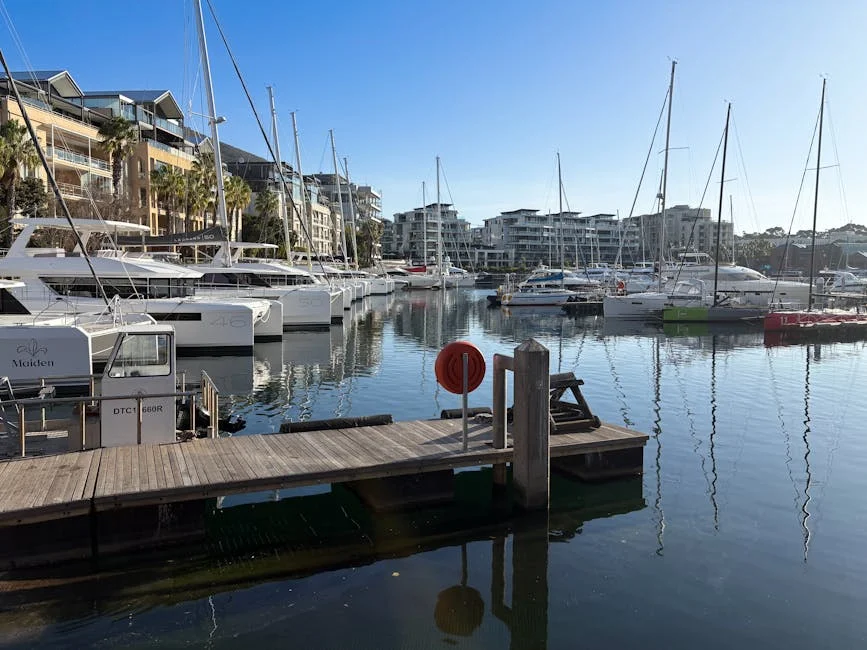
City officials have stated that the closure is necessary to redirect funds to more critical infrastructure projects. However, community leaders argue that this decision marginalises already disadvantaged groups, stripping away essential services that promote health and wellbeing.
The Ripple Effect on Health and Education
The closure of public swimming pools is not just a local issue but resonates with broader health and educational concerns across South Africa. Access to swimming facilities plays a vital role in promoting physical activity among children and youth, contributing to the national goal of improving public health outcomes.
According to the South African Department of Health, the country faces an increasing burden of lifestyle-related diseases, particularly among the youth. The loss of these recreational spaces could hinder efforts to instil healthy habits in young people, particularly in underprivileged areas where alternative facilities are scarce.
Infrastructure Challenges: A Pan-African Perspective
This situation in Cape Town is reflective of wider infrastructural challenges faced across the African continent. Many cities grapple with insufficient funding and prioritisation of essential services. The African Union's Agenda 2063 stresses the importance of infrastructure development as a catalyst for economic growth and social progress.
The closure of facilities due to financial constraints raises questions about governance and resource allocation, revealing systemic weaknesses that hinder development across Africa. It also underscores the need for innovative funding solutions, such as public-private partnerships, to sustain and improve public amenities.
What Lies Ahead for Cape Town's Communities?
As Cape Town continues to grapple with the closure of public recreational facilities, community advocates are calling for a re-evaluation of city priorities. They argue that maintaining access to swimming pools and other recreational spaces is crucial for fostering community spirit and promoting healthy lifestyles.
Looking forward, residents and city officials must engage in constructive dialogue to find solutions that balance budgetary constraints with the necessity of maintaining public health and social services. The situation presents an opportunity for stakeholders at all levels to collaborate on sustainable development projects that can benefit both the city and its residents.