The African Development Bank (AfDB) has launched a €14.6 million project aimed at creating 24,000 jobs and rebuilding 150 critical infrastructures in Cabo Delgado, Mozambique. This initiative, announced in Maputo, represents a significant step towards addressing the ongoing humanitarian crisis in the region exacerbated by violence and instability.
Revitalising Cabo Delgado's Economy Amidst Ongoing Challenges
The project comes as Cabo Delgado grapples with economic downturns due to the insurgency that has plagued the region since 2017, resulting in the displacement of over 800,000 people. The AfDB's intervention is critical not only for immediate job creation but also for long-term economic growth and stability in a province rich in natural resources yet hindered by insecurity.
Infrastructure Development: A Key Focus for Growth
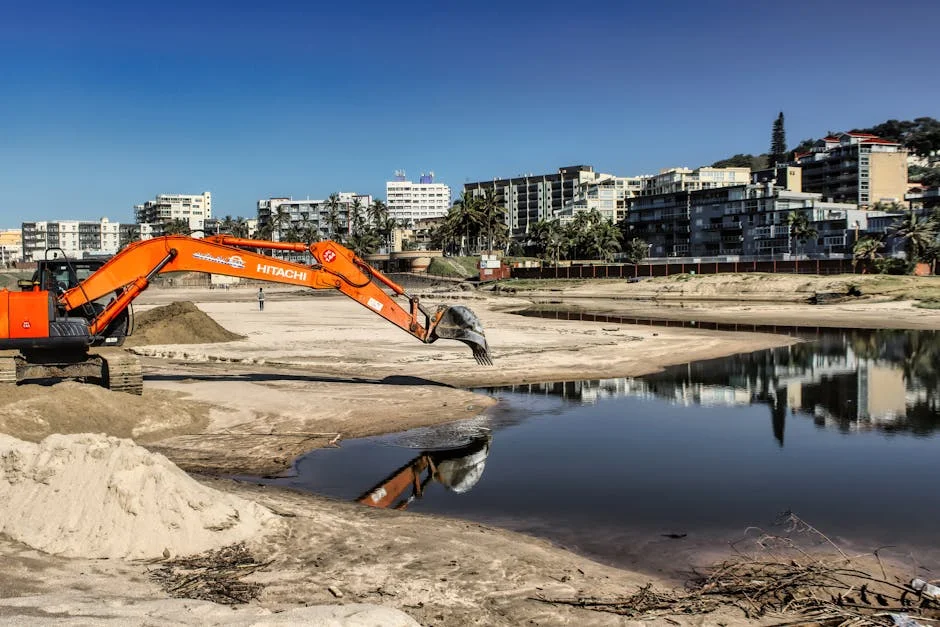
Included in the project are plans to reconstruct vital infrastructure, such as schools, health facilities, and roads, which have been heavily damaged during the conflict. These efforts align with African development goals focusing on promoting sustainable infrastructure and fostering inclusive economic growth. The rebuilding of these facilities is essential for restoring basic services and improving the quality of life for residents.
Job Creation and Skills Development for Local Communities
The provision of 24,000 jobs is expected to stimulate local economies, providing much-needed financial resources to families and reducing dependency on humanitarian aid. Moreover, the project will include training and skills development programs, ensuring that local populations can benefit from employment opportunities in the long term. This aspect of the project underscores the AfDB's commitment to not just provide temporary relief but also to empower communities through sustainable development.
Regional Implications for South Africa and Beyond
As Cabo Delgado's development progresses, South Africa stands to be significantly affected, both economically and politically. The stability of Mozambique is crucial for regional trade routes and energy supply chains, particularly given South Africa's reliance on gas from the region. The AfDB's investment is therefore not only a local initiative but a strategic move that could enhance regional security and economic interdependence.
What to Watch: Future Prospects for Cabo Delgado
The success of the AfDB's project in Cabo Delgado could serve as a model for similar initiatives across the continent, addressing both infrastructural needs and job creation in conflict-affected areas. Stakeholders are now looking closely at how these developments will unfold, particularly in terms of governance and accountability in the implementation of the project. Observers will be keen to see if this initiative will pave the way for further investments in Mozambique and other African countries facing similar challenges.