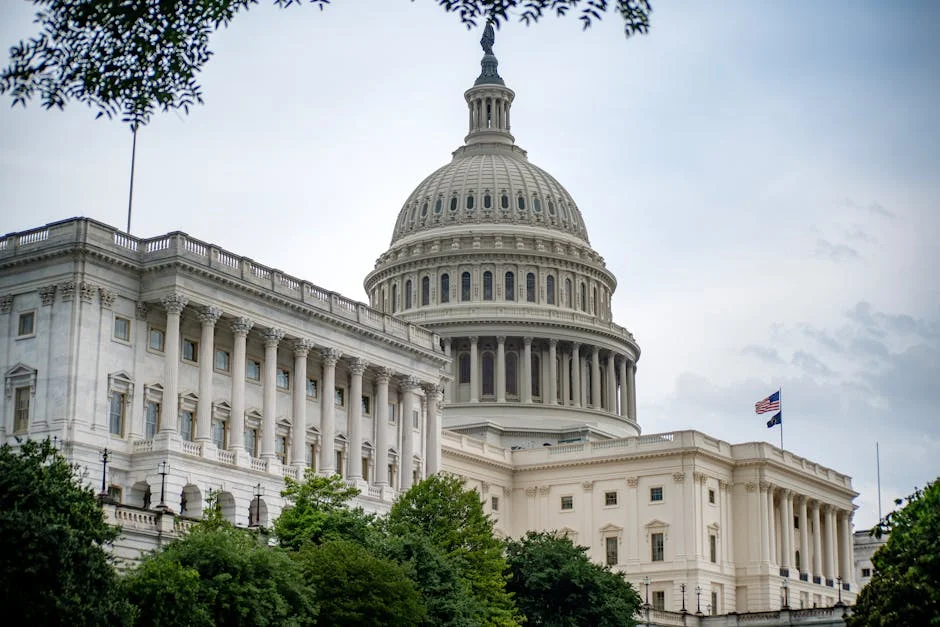
The US House of Representatives has rejected a war powers resolution aimed at limiting President Donald Trump’s ability to engage militarily in Iran, backing a more aggressive stance instead. This decision comes in the wake of heightened tensions between the US and Iran, raising concerns about the implications for global stability, including in Africa.
Democrats Assert Congressional Authority Over Military Action
On a recent vote, House Democrats argued that Trump’s actions reflect a dangerous overreach of executive power, with many asserting that 'Trump is not a king.' This sentiment echoes across the political spectrum, as legislators seek to reinforce the checks and balances established by the Constitution. The resolution aimed to restrict military engagement without Congressional approval, a move that could significantly alter US foreign policy.
Impact of US Military Decisions on African Development Goals
The rejection of the war powers resolution sends a clear message from the US legislature about the potential for increased military conflict. This development is particularly concerning for African nations, many of which rely on US support for development initiatives in areas like health, education, and infrastructure. Heightened military tension could divert attention and resources away from critical development goals, impacting initiatives that are vital for economic growth across the continent.
The Broader Geopolitical Landscape and African Opportunities
The decision made by the House has far-reaching implications, not only for US-Iran relations but also for the geopolitical dynamics involving African nations. As the US engages in military actions, countries in Africa may find themselves caught in the crossfire or face destabilising effects that hinder their development efforts. Additionally, the focus on military solutions over diplomatic engagement can stifle opportunities for economic cooperation and partnership, which are crucial for African nations striving to meet their development goals.
Senate's Role in Shaping Foreign Policy
While the House has made its stance clear, the Senate’s subsequent actions will be critical in shaping US foreign policy regarding Iran and, by extension, its impact on Africa. The Senate now has the opportunity to either support the House’s rejection or push for a more restrained approach to military engagement. This decision will likely influence how African leaders perceive US commitment to maintaining peace and stability in their regions.
What’s Next? Monitoring the Consequences
As Congress continues to debate the role of the military in foreign affairs, observers will be keenly watching how these developments unfold. The implications for African nations are significant; any shift in US foreign policy could either bolster or hamper efforts to address pressing challenges such as health crises, educational disparities, and governance issues. For South Africa and other nations on the continent, understanding the Senate's forthcoming stance will be crucial in navigating the delicate balance between security and development.