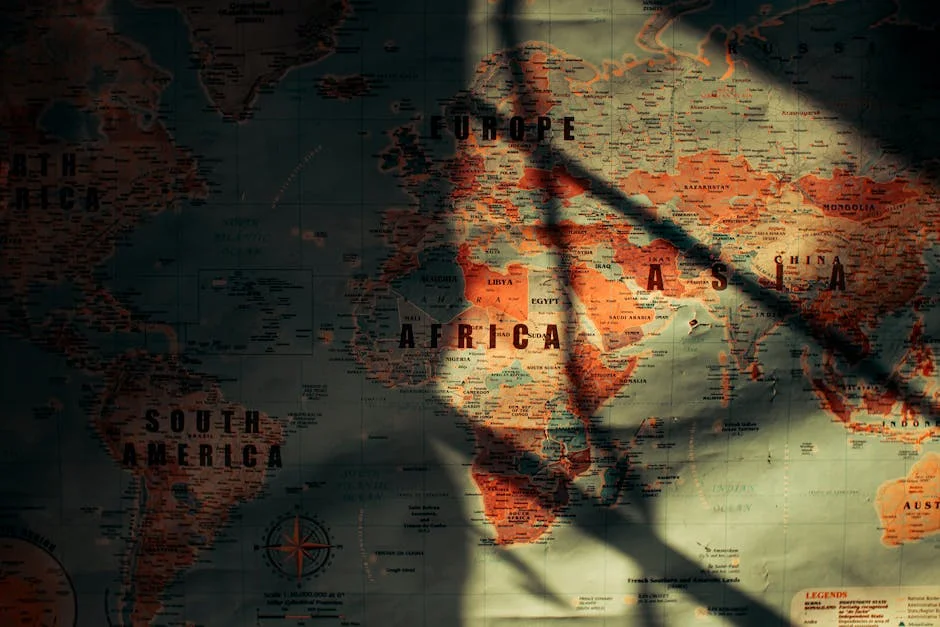
Recent Iranian attacks have highlighted a troubling disparity in regional power dynamics, raising questions about Middle Eastern stability. Observers are now asking whether there are deeper implications for countries like South Africa, where the impact of Middle Eastern conflicts can reverberate significantly.
Understanding the Context of Iranian Attacks
The Iranian regime has been involved in a series of attacks across the Middle East, targeting both military and civilian infrastructure. These actions, which have escalated in frequency and intensity, signal Tehran's willingness to assert its influence amid a backdrop of geopolitical tension. The latest news from the region indicates that these attacks are not only a show of force but also a strategic maneuver to undermine rivals in the area.

The Disparity of Attacks: Who Is Affected?
Reports suggest that the Iranian attacks have disproportionately affected nations such as Saudi Arabia and Israel, which have historically been at odds with Iran. The attacks are often portrayed as retaliatory measures against perceived threats from these nations. However, the broader implications extend far beyond the immediate conflict zones, particularly for African nations that share political and economic ties with the Middle East.
How This Relates to African Development Goals
The ongoing instability in the Middle East poses significant challenges to African development goals. For countries like South Africa, which rely on energy imports and have strategic economic relationships with Middle Eastern nations, the volatility can disrupt supply chains and economic growth. Additionally, the humanitarian toll of conflicts can lead to increased migration pressures, further complicating governance and social cohesion within African states.
Potential Opportunities Amidst the Turmoil
Despite the challenges, there are opportunities for African nations to engage diplomatically with Middle Eastern countries in search of stability. Initiatives aimed at fostering trade relationships can help mitigate the adverse impacts of Middle Eastern conflicts. Furthermore, African leaders can leverage their positions to advocate for peace and collaborative development agendas, potentially positioning themselves as mediators in the region.
What Comes Next: Looking Ahead
As the situation in the Middle East continues to evolve, South African policymakers must remain vigilant. The interplay between Middle Eastern dynamics and African development cannot be overstated. Future collaborations and strategic partnerships will be crucial in addressing the ramifications of Iranian attacks and ensuring that African nations are resilient in the face of external pressures. The developments in this ongoing narrative will require close monitoring, as the implications for South Africa and the broader continent are significant.