Airlines in the United Arab Emirates (UAE) are increasing flight operations despite ongoing conflicts in the Middle East, raising questions about regional stability and its implications for Africa. On Thursday, several carriers announced additional routes, reflecting a resilience in travel demand even as tensions escalate.
Flight Increases Amid Crisis
Despite the ongoing fighting in the Middle East, particularly in conflict-prone areas, airlines in the United Arab Emirates are ramping up their operations. On Thursday, Emirates and Etihad Airways confirmed plans to add more flights to various destinations, underscoring the persistent demand for air travel in the region.
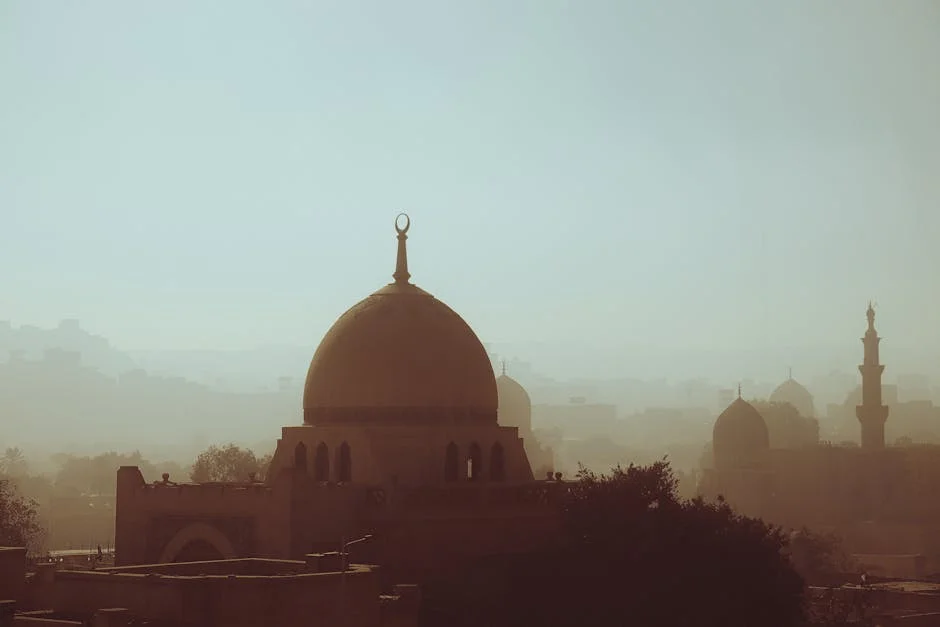
What This Means for African Connectivity
The increased flights from the UAE could enhance connectivity between Africa and the Middle East, a region that plays a crucial role in global trade and travel. As Africa aims to boost its economic growth, improved air travel options can facilitate trade, tourism, and investment opportunities. This could be vital for achieving several African development goals, particularly in fostering economic growth and enhancing infrastructure.
Continental Challenges and Opportunities
While the Middle East faces significant upheaval, Africa must navigate its own set of challenges, including governance issues, health crises, and educational disparities. The ongoing conflicts in the Middle East can have spillover effects on African nations, particularly in terms of refugee movements and regional security. However, the resilience of UAE airlines also presents an opportunity for African economies to cultivate stronger ties with the Middle East, potentially leading to partnerships that could address infrastructure needs, health initiatives, and educational exchanges.
The Importance of the Middle East to Africa
The question of why the Middle East matters to Africa is increasingly relevant. With its strategic location, the Middle East serves as a bridge for trade routes and cultural exchange. As countries like South Africa position themselves within the global economic landscape, understanding the dynamics of the Middle East—what it is and why it matters—becomes essential for leveraging trade and investment opportunities.
Looking Ahead: What to Watch For
As air travel increases, stakeholders in Africa should monitor how these changes affect economic ties and regional stability. The potential for enhanced trade routes could spur development projects but also necessitate a coordinated approach to governance and security in both regions. Understanding the evolving relationship between the United Arab Emirates and African nations may reveal new pathways for collaboration, addressing both immediate and long-term development goals.