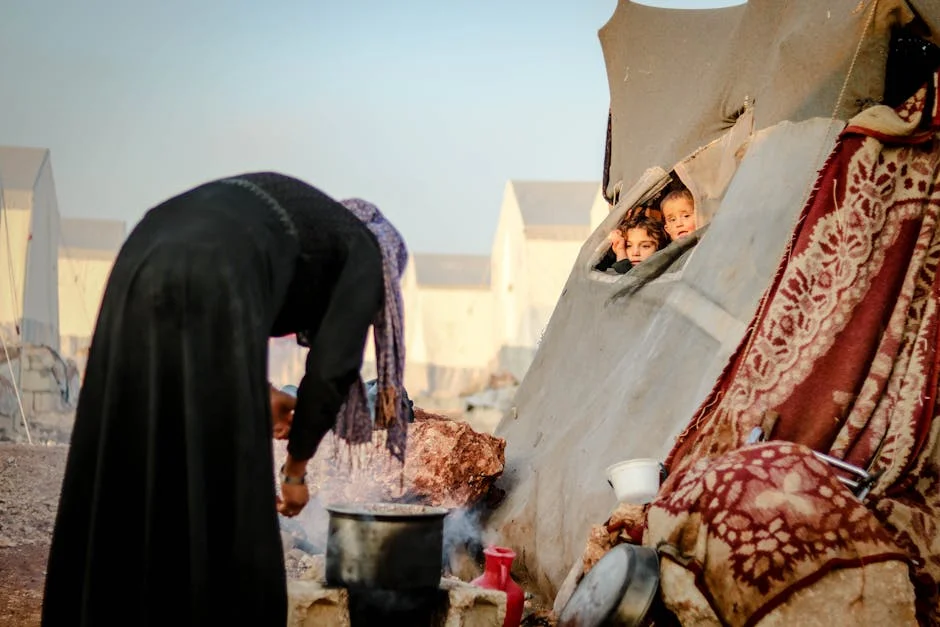
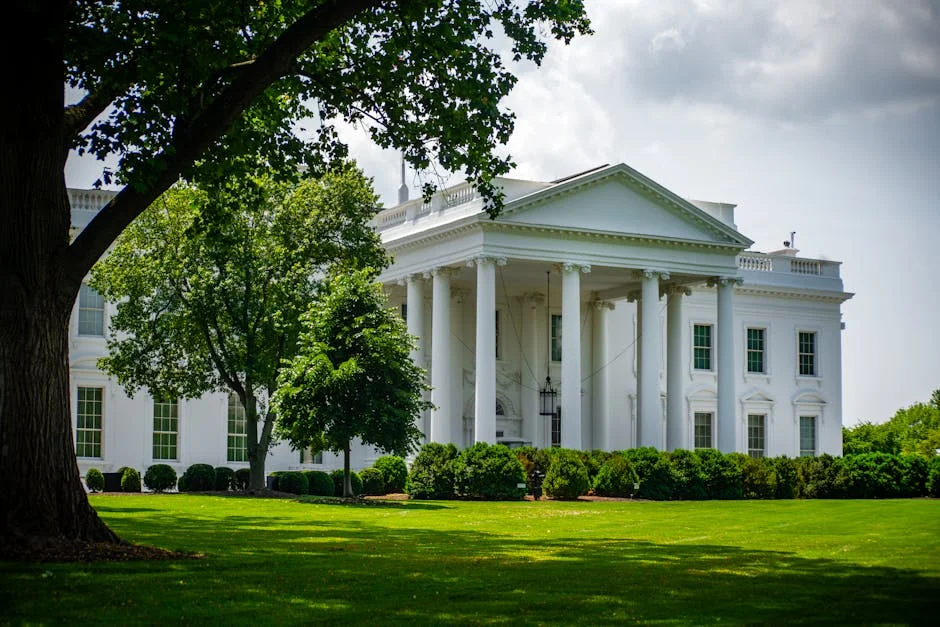
UK Prime Minister Keir Starmer has called for a measured response from Britain regarding the escalating tensions in the Middle East, particularly in the context of the recent actions by former President Donald Trump. This statement, made during a press briefing in London, highlights the potential repercussions for global politics, including its impact on Africa.
Starmer Highlights the Need for Diplomacy
During his address, Starmer emphasised the importance of diplomacy in navigating the complex landscape of Middle East politics. He warned that rash decisions could exacerbate an already volatile situation, potentially affecting international relations and trade, particularly with African nations that depend on stable global markets.
Trump’s Comments and Their Implications
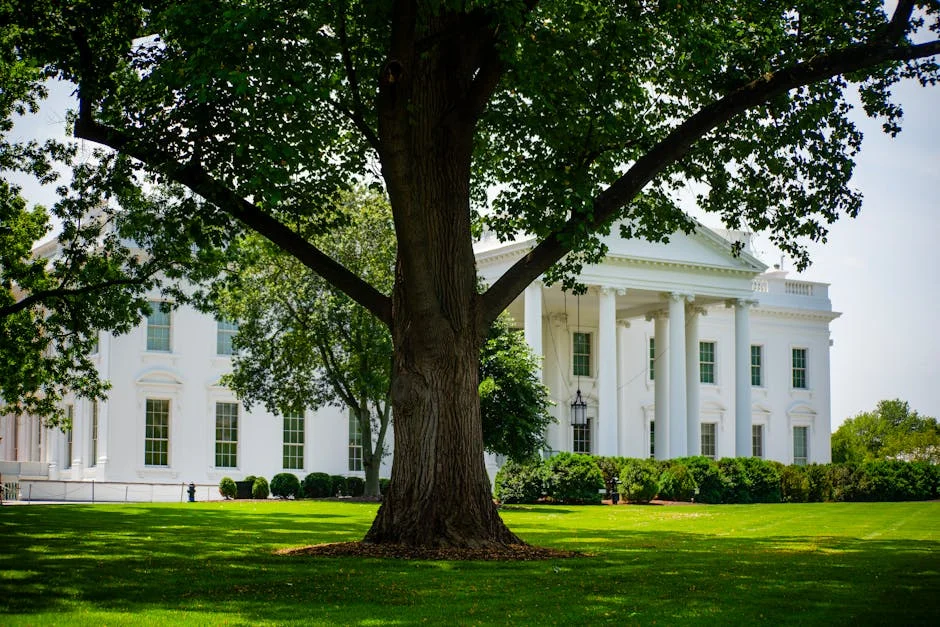
Former President Donald Trump recently made headlines with his controversial remarks regarding the Middle East, stirring up debates about US involvement in the region. Starmer's call for a cool-headed approach comes in stark contrast to Trump's rhetoric, which has often ignited tensions. Analysts suggest that Trump's stance could have ripple effects across Africa, given the continent's intricate ties with Middle Eastern countries.
The Middle East's Influence on African Development
The ongoing conflicts in the Middle East have far-reaching implications for African development goals, especially concerning infrastructure and economic growth. Many African countries rely on Middle Eastern investments for essential projects in health and education. Starmer’s plea for restraint implies a recognition of these interconnected interests, underscoring the need for stability in foreign relations to promote African progress.
Potential Risks and Opportunities for South Africa
As tensions rise, South Africa stands at a crossroads. The nation could face significant challenges if Middle Eastern unrest leads to disruptions in oil supply and trade routes. On the other hand, a diplomatic approach advocated by Starmer could open doors for partnerships that leverage South Africa's strategic position as a gateway to the continent. The government must prepare for various scenarios to mitigate risks while exploring opportunities for collaboration with Middle Eastern countries.
What Comes Next for Britain and Africa?
As Britain navigates its foreign policy under Starmer's leadership, the implications for Africa will be closely watched. With global attention on the Middle East, African leaders must advocate for their interests, ensuring that the continent's development goals are not sidelined. Starmer's commitment to a measured response could signify a shift towards more thoughtful global engagement, fostering a climate where African nations can thrive amidst international uncertainties.