Ethiopia's government has issued a stark warning regarding the potential for renewed conflict in the Tigray region, with Mekelle emerging as a focal point of tension. This unsettling development comes just two years after a peace agreement was reached, raising concerns about the stability of the area and its implications for broader African development goals.
Government's Alarm Over Rising Tensions in Tigray
The Ethiopian government has reportedly raised alarms over increasing hostilities in Tigray, particularly around the region's capital, Mekelle. In a statement issued on Monday, officials highlighted a worrying uptick in clashes between regional forces and federal troops, suggesting that the situation may be on the brink of escalation once again. The government has called for immediate dialogue to prevent further violence.

The Shadow of Past Conflicts
This latest crisis unfolds in the context of a brutal civil war that erupted in November 2020, resulting in thousands of deaths and displacing millions. While a peace deal was signed in November 2022, the underlying issues remain unresolved, including political marginalisation and resource allocation concerns. The Tigray region's complex history of conflict underscores the fragility of peace in Ethiopia and highlights the challenges facing the nation as it seeks to achieve stability and prosperity.
Global Implications of Tigray's Turmoil
The renewed conflict in Tigray has significant implications not just for Ethiopia but for the entire African continent. As countries like South Africa strive for regional stability and economic growth, ongoing unrest in Ethiopia could derail progress towards the African Union's Agenda 2063, which aims for a prosperous and integrated continent. Ethiopia's strategic position as a hub for trade and diplomacy in East Africa makes its stability essential for regional cooperation and development.
How Mekelle's Situation Reflects Broader Challenges
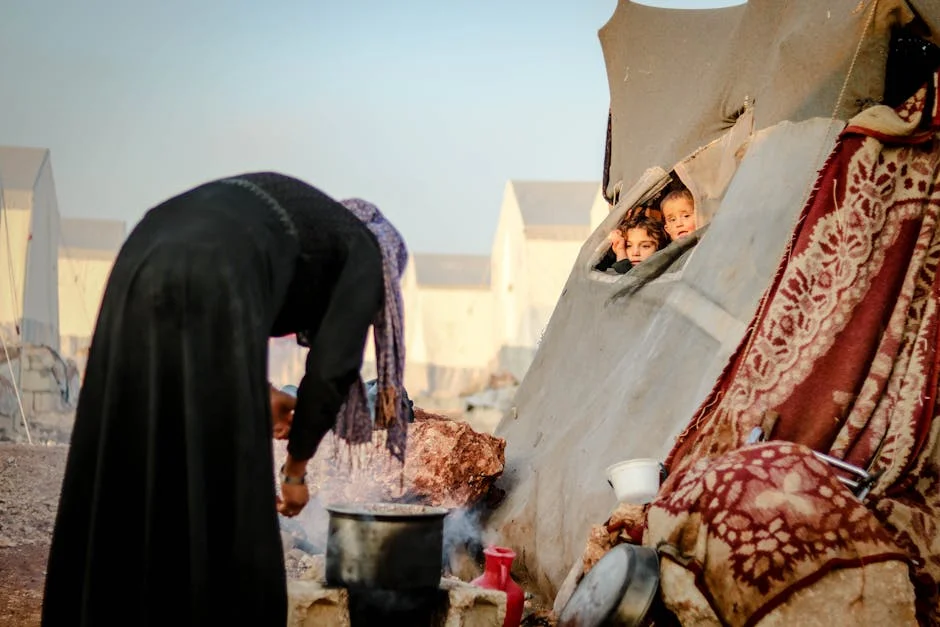
Mekelle, as the capital of Tigray, is emblematic of the broader challenges facing Ethiopia today. The potential for renewed violence could hinder critical infrastructure projects and disrupt humanitarian efforts aimed at supporting the region's recovery from past conflicts. With an estimated 5.2 million people in need of aid, the ramifications of renewed hostilities could be dire, exacerbating health and education crises that have plagued the region.
What’s Next for Ethiopia and Tigray?
As tensions mount in Tigray, the international community is watching closely. The Ethiopian government is under pressure to ensure that past mistakes are not repeated, and the Ethiopian People's Revolutionary Democratic Front (EPRDF) faces scrutiny over its handling of the situation. The outcome of this crisis will not only shape the future of Tigray but could also influence economic growth and governance across the continent. Stakeholders must remain vigilant, as the choices made in the coming weeks could either pave the way for lasting peace or plunge the region back into chaos.