Drones Hammer Sudan's Gold and Oil Zone - Pivotal New Front Line Reveals Economic Struggle
Sudan’s Strategic Region Under Attack
Drones have intensified their assault on Sudan’s Kordofan region, a critical area rich in gold and oil reserves. This strategic zone, located in western Sudan, has become a new front line in the ongoing conflict, marking a significant shift in the battle for control over natural resources. The increased drone activity signals a heightened level of interest in Kordofan’s wealth, which could have profound implications for Sudan’s economic stability and development prospects.

Economic Significance of Kordofan
Kordofan is not just any part of Sudan; it holds immense economic importance due to its abundant gold and oil deposits. The region’s oil fields contribute significantly to Sudan’s national revenue, making them a coveted prize in times of conflict. Additionally, the gold mines in Kordofan provide vital income for local communities and play a crucial role in the country’s export earnings. The intensification of drone attacks highlights the strategic value of these resources and underscores the ongoing struggle for control over Sudan’s natural wealth.
Drone Technology and Its Impact
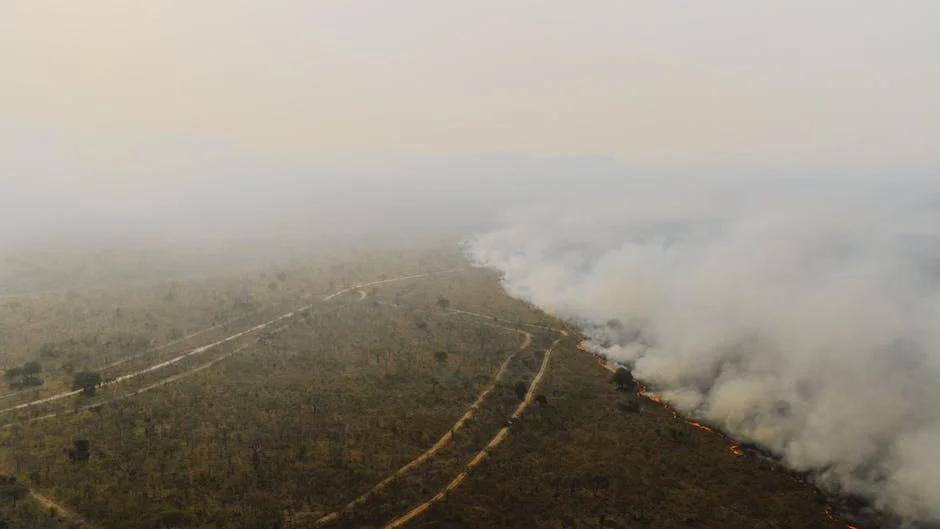

The use of drones in this conflict represents a modern twist on traditional warfare, showcasing how technological advancements can reshape the landscape of African conflicts. Drones offer several advantages to their operators, including precision strikes, surveillance capabilities, and the ability to operate without risking human lives. These attributes make them particularly effective in targeting specific areas of economic importance, such as Kordofan’s oil and gold sectors. As a result, the increased drone activity signals a new era in Sudan’s resource wars, where technology plays a pivotal role.
African Development Goals at Stake
For Sudan, the fight for control over Kordofan’s resources is closely tied to its broader development goals. The country’s aspirations to achieve sustainable economic growth, improve infrastructure, and enhance living standards are heavily reliant on its ability to harness and exploit its natural resources. However, the ongoing conflict and instability in Kordofan pose significant challenges to these ambitions. The continued use of drones in this region could further disrupt Sudan’s efforts to unlock the full potential of its natural wealth, impacting its ability to meet its development targets.
Continental Challenges and Opportunities
Beyond Sudan’s borders, the situation in Kordofan also reflects larger trends across the African continent. Many African countries face similar challenges in balancing the need for resource exploitation with maintaining peace and stability. The use of advanced technologies like drones offers both opportunities and risks. On one hand, they can help secure valuable assets and provide a strategic advantage. On the other hand, they can create new forms of conflict and disrupt local economies. As such, the developments in Kordofan serve as a case study for how African nations might navigate these complex dynamics in pursuit of their development goals.
What to Watch Next
As the conflict in Kordofan continues, there are several key factors to monitor. Firstly, the extent to which the drone attacks affect Sudan’s oil and gold production will be crucial. Any significant disruptions could have ripple effects on the national economy and impact Sudan’s trade relationships with neighbouring countries, including South Africa. Secondly, the response from other regional powers and international stakeholders will be important, as they may influence the course of the conflict and shape the future of Kordofan’s resource-rich lands. Lastly, the success of Sudan in adapting to and leveraging new technologies like drones could set a precedent for how other African nations approach their own resource management and conflict resolution.